27. Westcliff

images


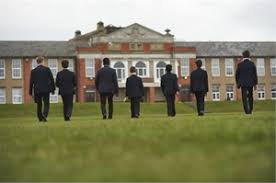
Six of our St Margarets year qualified for grammar schools. Two headed off to Palmerton, over at Grays. One of these, Mike Bellamy, would later end up at Westcliff, the destination for Janine Spear, Christine Payne and myself.

Westcliff High School for Boys had a first-class academic reputation. After seven years at the place, my French and Russian skills had flourished. A gift for language was soon apparent. I scored something like 95% in my first-year French exams. In 1975, my B-grade Russian was the critical A-level passport to Birmingham University.

Maths and English skills were already good when I arrived, in autumn 1968. Not sure they improved much. I grew to enjoy history in the sixth-form, especially the 1930s and World War 2. Science was never my thing, nor geography. Better teachers might have helped.

On the playing fields, I ended up trying out rugby, and even hockey, making the school first teams at times but never with my heart in it. Rugby was a wet, cold and bruising experience. The ball was stupidly shaped, and the fastest runners fared best. Cricket, by contrast, was a godsend each summer. Soccer was for the lower classes, and was not played. That broke my heart before I ever set foot in the place. One Sunday afternoon in 2001, I pulled up outside the school with the kids and looked askance at goalposts that now adorned the bottom playing field.

I told my parents in summer 1968 that I did not want to go to Westcliff. Utterly straightforward reasons. No football and no girls. I loved females. Needed them around me, for their beauty and their kinder approach. The school was also 8 miles away, and a 30 minute bus journey.  This brought all sorts of complications, from having to get up at the unbeknown time of 7.30, to having to wear a blazer and carry a briefcase that would make me an obvious target for all the scallies that populated Basildon, Benfleet and Southend. In my first few days I would discover that the buses were full of smokers, insanely puffing their poison and dropping their ashes inches deep onto the top floor of the bus.

The problem for Phyllis and Eric was the low academic prowess and reputation of Chalvedon comprehensive school at Pitsea. Most of my friends went there. Tales of dogs thrown from the top floor at Chalvedon, where my brother attended, had me rivetted and open-eyed. Football was played and boys and girls mixed. Chalvedon spawned Terry Marsh, the boxer who retired as the undefeated world light welterweight champion in 1987. During 2017 local elections, Marsh assaulted the presiding officer at a Basildon polling station, kneeing him in the groin when not allowed to take his ballot paper home.

So I can see why my parents preferred Westcliff. Phyllis carried the idea that I could become a professional of eminence and respectability. A doctor was her dream. I genuinely knew differently. Instinctively, in my gut.
 

download (7)


26. Drifting


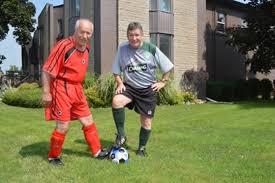
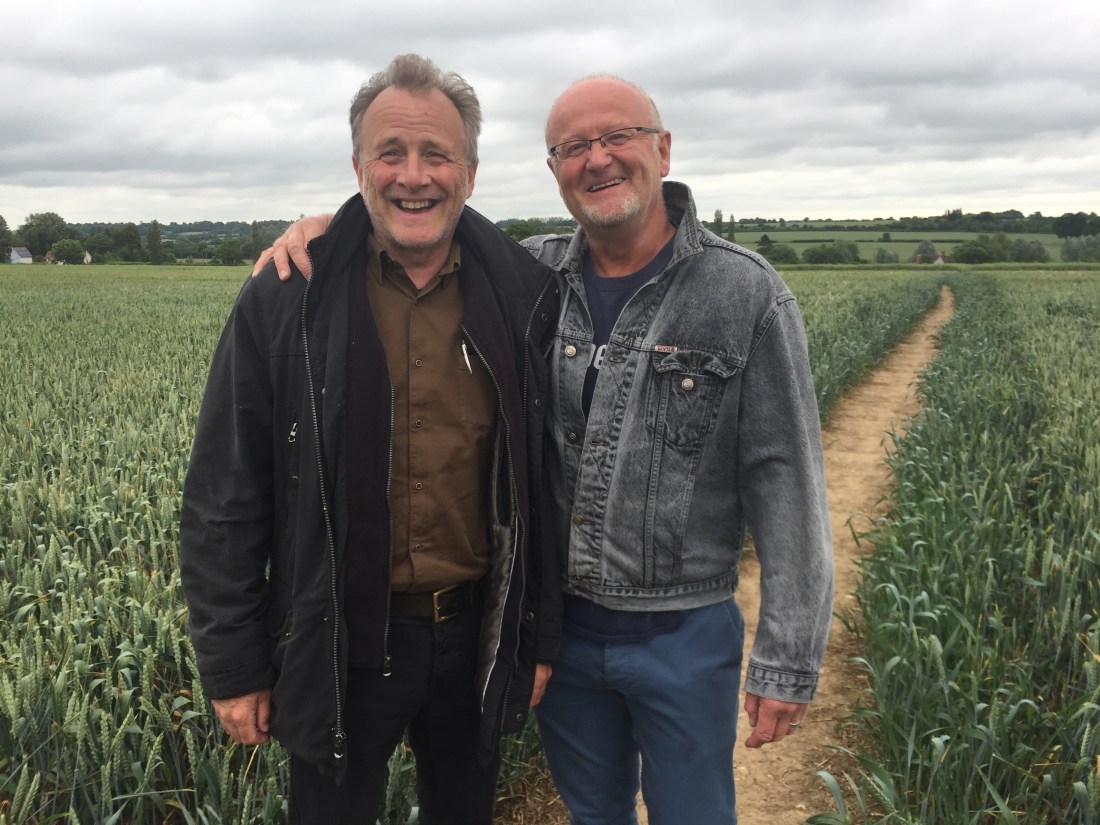
Spent four and a half happy hours chatting with my old school mate Alan Campbell in Chelmsford today. That’s him on the left.


IMG_6126


We enjoyed coffees, a Byron burger, and a nice stroll about town before he hopped back on a train to London.

When Al asked about my work, I struggled for words. It has become a means to an end.

Cycling home, I thought again about the soccer blog. My heart was never much in it when playing in defence. In my job, the sap has also gone. I have let myself drift “out of position”. The work has neither enthralled nor challenged me since Out of Essex started to emerge in 2013. Tasks are still performed with diligence and craft, but passion and meaning are absent.

But then work or career targets were not among the three promises made to self in January 1982, when living in Herne Bay, Kent, aged 24. These were:

*To write a book that I could be proud of. In 1999, the Financial Times brought out a book entitled “Financing Energy Projects in Africa”, with my name on the cover. Did that count? It wasn’t what I wanted. I holed up in the Isle of Man for a fortnight in 2002 to attempt some fiction, and came back with something akin to an autobiography. In 2015, Out of Essex finally ticked the box.

*To be in a long and happy relationship. To keep that together, but somehow live a life that didn’t involve joining up other people’s dots. I’ve done OK there, albeit with a few major hiccups on the way.

*Envisaging a near-zero prospect of any career, I decided that one day, at no specified time, I would discover or invent a profitable system of selecting winning horses. And use that to make decent money. The many rocks and perils down that road made it all the more exciting.

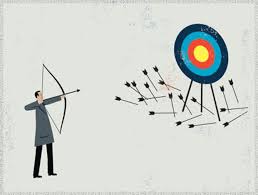
The playwright Edward Albee said that if you are willing to fail interestingly, you tend to succeed interestingly, too.

images (16)

25. On me ‘ead son

download (5)


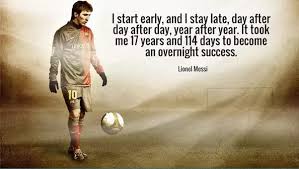
Until my early- to mid-20s, football was my sport. During much of my Westcliff High schooldays, it was my escape valve, physically and imaginatively. Setting aside the silly money that professionals earn, the game still holds a deep beauty for me. When it disappoints, I can rough up Roy Keane in my head.

I can remember watching the 1965 Leeds-Liverpool cup final with Eric. And Scouse chants of “Ee-aye-adio, we won the cup!” I was nine when the 1966 World Cup began, but played in the back garden on the July 1966 Saturday afternoon of the England-Germany final. When the country went apeshit with joy I finally paid attention.

West Ham provided three England players. So were obviously the best club. Once I declared in their favour, Eric took me to see the Hammers play Newcastle at Upton Park. I still recall the first sight of the green pitch, surrounded by a sea of claret and blue and the loud East End partisanship. Johnny Byrne, Geoff Hurst and Martin Peters scored for West Ham. 3-0. Dad used to take me once a year until 1971, when I began to travel to Upton Park alone.

The first playing memory was junior school. Winter’s afternoon. In goal. Muddy pitch, heavy ball. A big centre forward bore down on me like a German tank and slid the ball past me. In the first organised game, for Bowers Gifford cubs, I missed an open goal, but gradually began to accumulate the bank of memories that footballers pick up. Tackles, shots, headers, passes, volleys, runs. Action clips gathered in my head, much the same as the later “bank” of sexual images and memories. Among the earliest deposits were two headed goals for a Benfleet team. A powerful thing for a boy to leap and meet the ball with his forehead.

Eric began to coach Bowers Gifford cubs. One game it rained non-stop. The ball was half-cleared from the goalmouth, coming to me 25 yards out. I used the counter momentum. Like a rocket it flew, top right hand corner. And straight into that niche of my brain where moves were siloed and eulogised.

Some techniques came from playing in the garden with my brother – who was very skilful – and my dad, who was the hardest taskmaster. Praise was earned. Below par performances were taken to task. I might be happy, but be told that x, y and z needed improvement. When it rained, I would read an FA coaching manual.

images (14).jpg

Visions of playing professionally were soon dismissed by Eric. Maybe this saved me from disappointment. Undeterred, I trotted up to the local vicarage. Asked Father Ford if I could play in the church choir team. Yes, he said, but you must join the choir. Few football memories were notched up. I somehow became head choir boy, once singing ‘Royal David’s City’ solo. Dull memories. Incense and hymns. No sexual abuse. No ‘Ee-aye-adio’.

In the early days at Westcliff, I was amongst the best in my class. One games teacher described me as a “natural athlete with poise”, which Eric found hard to believe. When teams were picked for lunchtime games, I’d always be first or second choice. A retrospective regret is that somehow – between 10 and 13 – I let myself drift into the role of defender. My heart wanted to pass and shoot. Instead, as adolescent self-consciousness kicked in, I avoided most risk-taking and hid from scrutiny behind tackles and headers. It didn’t help that my eyesight had changed. I struggled to see the ball at the other end on dark winter days.

I played right back for Benfleet Grasshoppers. Dad once watched us play our biggest rivals, Thundersley Rovers. He never shrank from letting me, either team or the referee know his opinions. That afternoon he was unremitting about the fouls Rovers were dishing out. When another incident triggered his touchline wrath, the entire Rovers team turned towards him and yelled “SHUT UP. I didn’t know whether to laugh or shrink.

It was excruciatingly painful to be told how badly I’d played. On one occasion Eric said it had “made him feel ill” to watch me. On the other hand, praise was a beautiful sea in which to bask, when it finally washed in. By 14 or 15, my heart had gone from standing in my own half on cold Saturday afternoons. I wanted the real thing at Upton Park, and didn’t play again seriously until 17, when a Sunday morning team in Southend roped me in at right back. This usually meant falling out of bed with a hangover, and tearing off on my moped. It was fun, ending with a couple of lagers. School lunchtime games carried on.

I played in kickabouts in year one at Birmingham University. One summer evening I scored what my pal Jonny Marks kindly described as the best goal he ever saw. Calling for the ball 50 yards out from goal when our centre half won a tackle. Then sprinting in anticipation of the pass, twisting back to see the ball’s flight path terminating somewhere between myself and the advancing goalkeeper. Hurling myself dreamily, ecstatically, through the air to head the thing over the keeper and into the goal.

The guy who had passed the ball asked if I fancied playing for the Wanderers – in effect the University third team. It meant playing again on Saturday afternoons, usually against local teams who enjoyed kicking the shit out of university boffins. It was often made more difficult by excessive partying the night before. Once I puked up beside the pitch. I managed to play for a season, but was usurped from the team by my friend Steve Lowndes, later a housemate. That was pretty much the end of my playing days, until 2002.

At the ripe old age of 45, I was invited to join some lads who played at Oaklands Park, in Chelmsford, on Monday evenings from May through to August. After getting through the pain of using all those parked muscles once more, it felt great. Bought myself a new pair of boots. A few skills returned, often against lads who were a good 20 years younger. I persuaded my mates Jono and Martin to come along, then Neil, and we would sit and replay bits of the game in the Cricketers afterwards. I often struggled to sleep, as the bubble of happiness refused to float away. Two years later, my mind was still telling me yes, but my body, my body said that’s enough.

download (6)

24. And they’re off….

images (12).jpg


“Money won is twice as sweet as money earned.”

Paul Newman


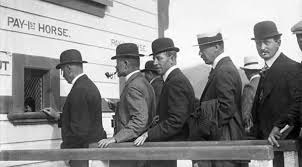
My introduction to horse racing took place in my grandparents’ council house in North London’s Chingford Mount area. Ghastly monotone commentaries crackled out of the black and white TV. Nanny’s hand shook with Parkinson’s as she sat at the lounge table, ignoring the live pictures from Sandown, Redcar or Wetherby. Grandad the ex-bookie tried to interest me in the action, which was inconceivably boring to my young eyes.

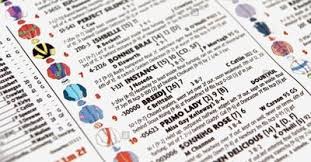
Admittedly, I would perk up at the Grand National each year. Eric would take bets from Phyllis, Neil and myself, and sometimes lay them off by telephone with his bookie. About 50 horses would charge around Aintree. Most seemed to come unstruck at some point in the race. My selection was usually at the back until it fell.

Neil had started betting with Dad at the tender age of seven, cheering home Pat Eddery’s rides for his threepences and sixpences. While Eric and Neil spent their Saturday afternoons perusing the racing section of the Daily Telegraph, I would almost fall asleep at the tedium. Find a book to read, or kick a football outside. Or maybe dream of the untold treasures which lay beneath the brassiere.

Around a decade later, at university, a few of the lads liked a bet on the ITV 7, or a yankee, on a Saturday. I joined in sporadically, and lost mainly, experiencing more tedium and ennui. One Wednesday morning, in June 1979, I wandered into Birmingham wearing a blue and white bobble-hat. Most of my final exams were complete, I needed a break, and noted that it was Derby Day at Epsom. Seeing that many tipsters were recommending Troy, ridden by Willie Carson, I bet the last £5 left in my bank account, at 6/1. I needed distraction from an overwhelming stress.

Back home I listened on the radio as Willie drove the beast home. And enjoyed a mild cranial orgasm, as I realised that I could pay my last month’s rent.

Some 11 years later, in autumn 1990, I sent a prospectus to friends and acquaintances. By January 1991, my betting syndicate, ‘Gameplan’, was up and running.

images (1)images (11).jpg

23. Upstream again

20181008_100707


This fish photo reminded me of the iconic 9/11 shot inserted into blog 14.

The poor bugger had been unable to swim around our pond properly for the past fortnight, and finally died this morning. I removed it, and walked down the garden, cradling it in my hands, softly repeating the Great Compassion mantra beloved of Buddhists. Then placed it on the compost heap, for the birds or rodents to devour. We lose 3 or 4 fish a year to old age.

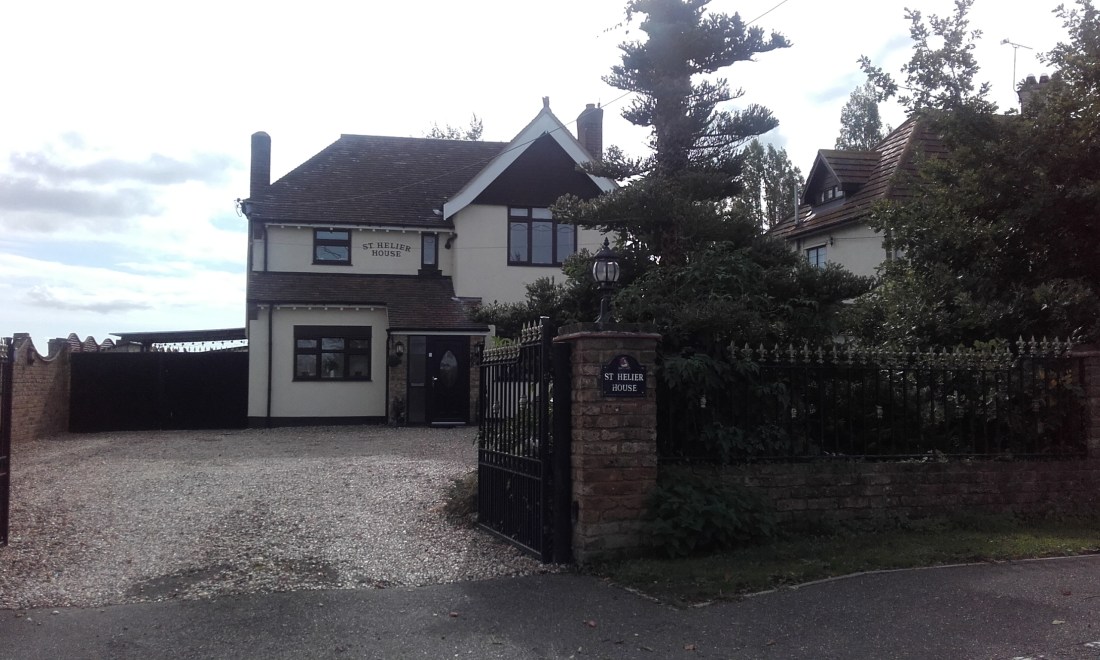
Couldn’t resist the briefest of visits back upstream to Bowers Gifford yesterday, en route to Thurrock. Here’s the old house, snapped from the car, before they could call the police. No sign of the pterodactyl, nor any lingering rhythmic sound of Deep Purple

20181007_132028

Sad to say that the old gaff looks depressingly gentrified and timidly neutral compared to Eric’s colourful 1970s treatment in an azure shade of blue. He came by a job lot of paint, maybe bartered for ingots or copper wire. Maureen and I stopped up the road by the old school, then drove down through Pitsea, past Howards Park, where I first got beaten up. A kid annoyed me on a roundabout, and clearly needed a Wild West saloon-style punch. But he didn’t buckle, and was stronger than me as we wrestled. Then I got to experience my first ‘bunch of fives’, in Eric’s parlance. A painful life lesson.

Another 12 minutes and we arrived at our destination, in the land of Russell Brand. Thurrock Thameside Nature Park. My second visit, having met John Madden and John Devane there in May. An Essex Wildlife Trust nature reserve located atop a former Mucking Marshes Landfill. Great views over the Thames.

20181007_142506


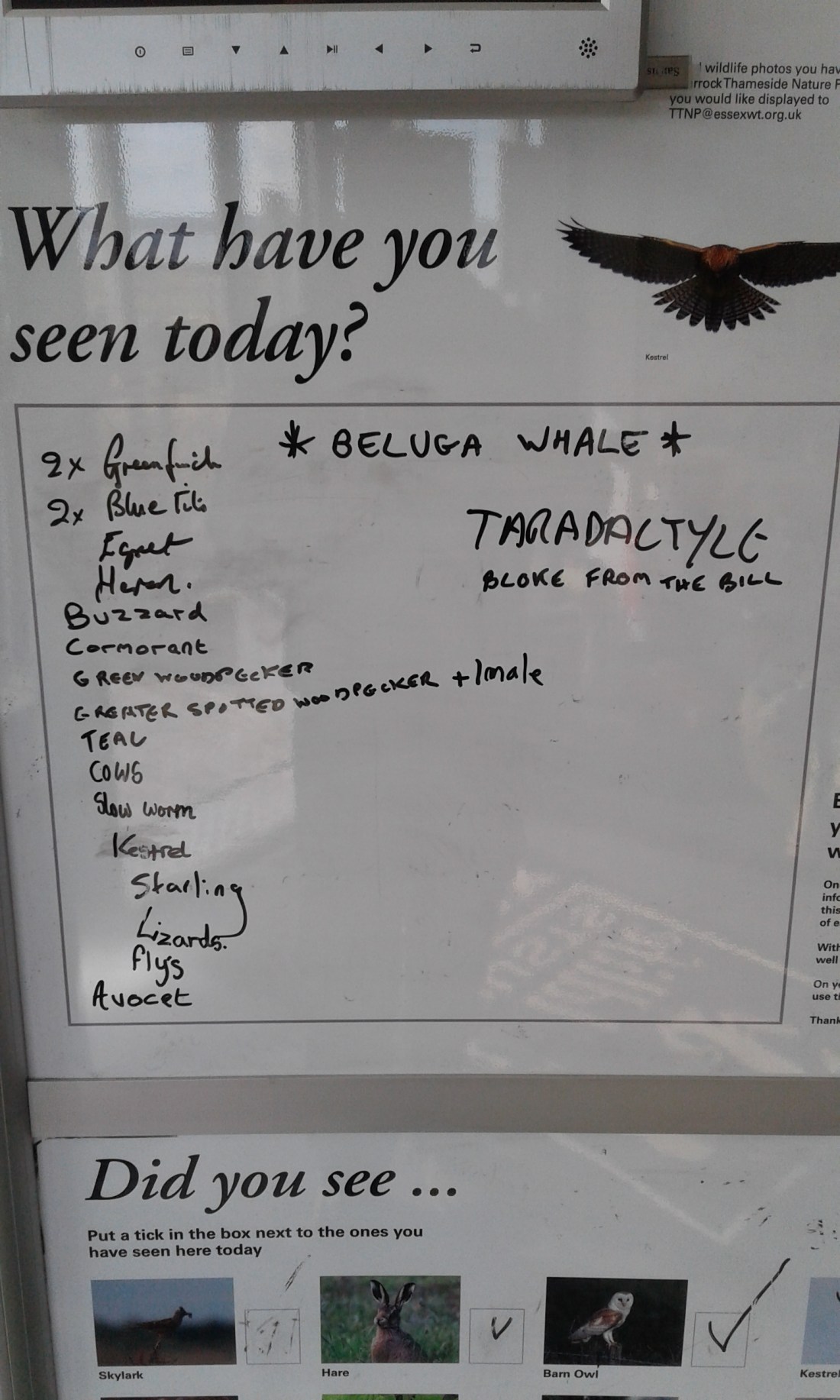
We spotted many avocets and, I think, a mass of dunlins in faraway mud. The day’s sightings are chalked on the notice board, and at last revealed where my old sparring partner has ended up, cunningly disguised with a new spelling.


20181007_142424


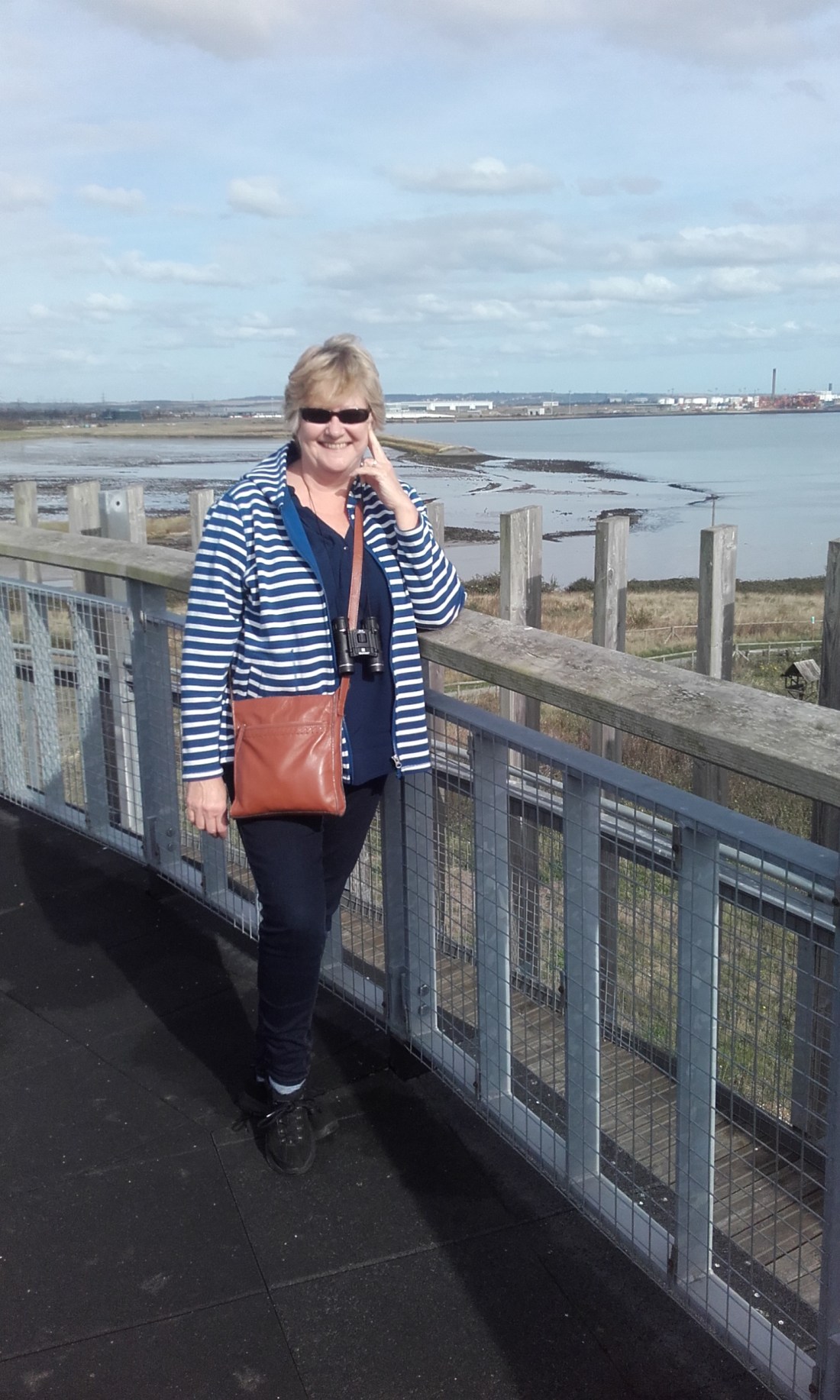
You cannot beat a nice day out with the missus.


20181007_142017


22. Within the beyond

download (4)


I’ve no idea whether Phyllis was giving me a prod from the other side. Is there any definitive proof – either way – on whether we carry on in some form after bodily death?

300 or so years of science still cannot explain human consciousness. Nor telepathy, remote viewing or thousands of accounts of near-death experiences. Or dreams.

Some years after moving to Chelmsford, I dreamed that my old school mate John Madden came to me, very upset. I had not seen him for several years. I threw my arms around him, while he sobbed. Several weeks later, I was told by a mutual friend that John’s mum had recently died.

Here’s a true story, with a witness. I took Rory on a camping holiday in North Norfolk in August 2013, with Jono and his family. I had slept outside under the stars to view the Perseid meteor showers, in the clear skies. On the third night Jono joined me. I got up for a piss at about 3.30 a.m. And noticed three sets of lights in the field behind us, no more than 80 yards away. Each set comprised three orb-like lights, in triangular formation. The three triangles were moving in an unpredictable motion, slightly jerky, almost synchronised, almost in a dance. Accompanied by odd metallic sounds. Then a beam of distinct red and black fractals travelled just above the ground to the field’s furthest perimeter.

Horses in the field sounded terrified.

The lights continued to wobble; were coming a little closer when I decided to wake Jono. My old mate fear was knocking hard, and I wanted a witness to what would otherwise be written off as my dreaming or drunkenness. By the time he was alert, two sets of the lights had disappeared. The third seemed to split into its three constituents, wavering fitfully in varying directions. We watched for around ten minutes. The orbs continued to move unpredictably over the grass. We heard or saw no humans on the field, nor any vehicles. As a small amount of light had appeared to the east, the orbs began to fade. In a minute they had vanished. Neither of us could begin to explain it.

Chomping it over the following week, I remembered that two days before the incident I had slept outside alone, watching some quite astonishing meteor showers. And the usual procession of planes across the sky. But other types of moving lights were up there. Again, they were moving oddly, erratically. Just for the hell of it, I said: “If you really are up there, show me something.”

That’s how it was. Jono may tell it differently. Make of it what you will. Neither of us were anally probed.

Two dreams that I recorded in July 2001 meant nothing at the time. I found them again years later. These are the words I wrote:

* I stick my head out of a window in quite a large city, and a rocket whistles past me, only yards away, on a low trajectory and quite obviously headed into the heart of the city.

* I was staying in a tall hotel, in a room somewhere on a higher floor. I couldn’t lock the door for some reason, so trusted that nobody would attempt to steal in and hurt me. Somehow this open attitude allowed me to hear noises outside the door. I peered out to see two Arab guys prising up the floorboards and placing a bomb in the space below.

Less than two months later the 9/11 attacks occurred on New York and Washington DC.

I know. It’s tenuous.

I have no clue how the universe distributes its information, nor any expectation that its secrets will be revealed to me. But maybe human consciousness is the most powerful yet unreliable force mankind will ever have access to.

Any ideas Mum?


download (3)


21. Mum


20181006_180022


Time to speak about my mum, Phyllis Edith Godier. Bubbly, kind, thoughtful and intelligent are the words that come to mind. Not a dollop of Eric’s aggression.

At the age of 13, I wrote the following. “A blue-eyed woman of 42, my mother must have been a highly attractive girl in her youth. She has always been very kind to me and is the person that I turn to first.”

And some more descriptions. “My mum has always been very brainy. Not approving of long hair and modern trends, she enjoys listening to the radio, eating nice food and reading books. She does not dress in flashy clothes, but respectable ones. Does not enjoy new kinds of music, but the older songs, usually from at least 15 years back. And is altogether very kind-hearted, though having occasional bouts of temper when my brother and I misbehave.”

Phyl, as friends knew her, was born in January 1928 in north London. She grew up with six siblings within a tiny Islington flat. Her father’s bookmaking business was volatile, and her mum’s mental health ever more fragile. Summed up, perhaps, by those images of dinner thrown at the wall after a bad day at the races.

Life could be tough. As with Eric, Phyllis was evacuated, to escape German bombs. Accompanied by her twin sister, Stella, and her youngest sibling Christine. When she returned from Kettering, in the East Midlands, none of her academic prowess was blunted. She gained her matriculation certificate from Dame Alice Owen school, in Potters Bar, just before turning 16. But there was no luxury of further education. She took a variety of secretarial roles in the City, steadily improving her skills, and then met Eric, marrying him in 1952. He used to watch her play tennis. She would regularly mount his motorbike.

She valued politeness immensely, so my tongue-poking antics must have horrified her. But she encouraged Neil and I to try hard at school, and was rapturous that I gained a place at Westcliff High. When I was 11, and starting, she always cooked me breakfast before school. She would iron in the kitchen, singing along to the radio. So that her three males left the house looking presentable. Shortly after, when her mother finished her days in a care home, Phyllis would visit once a week, taking the long bus journey to London and back.

Mum influenced my love of sport. She would play badminton, cricket and tennis with us in the back garden. Playing fair ranked alongside playing well. She adored playing golf. Until her early 70s she maintained fitness and competence levels that belied her age, bringing home countless medals and trophies. Later in life, she took up bowls. Both sports brought friendships which lasted into old age. But nothing to top her love for Stella. They phoned each other weekly, and trusted each other implicitly.

Like her four sisters, Mum would read the newspaper, and watch the news with genuine interest and sharp memory. Word puzzles, crosswords and quizzes were a staple diet. One of her greatest abilities was to tell a story with unerring precision, remembering conversation to the word. Another was persistence in fighting her corner when she believed something to be right.

She was massively prudent with money. She stalked shops and scoured shelves. Often getting three, four or sometimes five for the price of one. Phyllis also had a fantastic ability to make us laugh, and not always with her. On one family occasion she tucked into some delicious ice cream, licking her lips at each mouthful. When she asked about the ingredients, and was told it contained mascarpone cheese, she refused to eat any more.

She could be relied upon. I could rely on her remembering birthdays, telephoning Maureen and I each week, and giving the kids some pocket money. She doted on and spoiled her grandchildren, and regularly took them to London, Southend and elsewhere. Her Sunday lunches were utterly reliable, with beautiful roast potatoes the highlight, followed inevitably by a seductive range of high-calorie desserts.

Phyllis commuted to London until well into her 60s. Working at Price Waterhouse, valued for her diligence and attention to detail, plus her upbeat disposition. Her pension from that job is still drawn by Eric.

She died aged 78, still very active, of a ruptured aneurism. Her last few months were marred by worries over the aneurism, which was deep under her rib cage. After agonising considerations, she decided against an operation, which carried very high risks. This maintained the possibility that the aneurism would burst. I somehow felt we were saying unspoken goodbyes in autumn 2005, when I took her for checks at Marylebone hospital.

On February 4, 2006, it burst. As she lay in Eric’s arms before he called the ambulance, she said “this is the end of us, isn’t it?” To which he replied “there will never be an end to us”. When Rory was told of her death, he simply said “no more lovely dinners at Nanny’s”. When laid to rest, Phyllis was dressed in her white bowling outfit. It was a full house.

She enjoyed 78 years of rude health, despite being a smoker. She always dreaded the thought of finishing life in an institution, like her mum. I’m so glad this was never a possibility. Since her death, we have all discovered just how much we miss her good nature. Regretfully, I failed to give her enough appreciation while she was with us.

For several years afterwards, I would catch the faint smell of very strong tobacco as I worked in my study.


images (2)

20. Deep Purple


images (9).jpg


Intimidating, courageous and capable of tender diplomacy. That was Eric.

Although this story jumps ahead, it’s worth relating while the iron is hot.

Aged 17, I came home one night from a pub session somewhere in Southend. The youthful Kevin was ready for further stimulation from music or the printed word. In the end I went for a heavy blast of Deep Purple. Apt choice.

Decided to listen in my bedroom, with the earphones on. It was a fairly hot night, so I threw the top sheet off. Thoughts inevitably turned to sex. Statistics reliably tell me that I thought about sex every three minutes at that age. Down sneaked the hand, and I proceeded to give myself the most delicious stimulation, eyes closed, Roger Blackmore’s guitar cranking up the decibels in my ears. ‘Smoke on the Water’. My fingers working their never-disappointing magic.

Somehow, my pleasuring motion must have pulled the earphones plug out of the stereo system. As I entered the home straight, the rest of the house was suddenly awoken by the music emerging from my bedroom. Something made me open my eyes, and there was Dad, in the doorway, asking if I could please turn the music down.

I did – more drunkenly astonished than embarrassed – and we never mentioned the incident again.

images (7).jpg

19. Scrap metal mafia


download (1).jpg


Dad’s authority at home was unquestionable. One evening, as I lay upstairs, I heard an argument brewing between my parents. Voices slowly raised until Eric’s temper boiled over. “Don’t you ever tell me how to raise my children!” The floorboards were vibrating. “Nobody tells me how to bring up my kids.” His face probably looked like Alex Ferguson’s after I had sorted out Roy Keane.

Eric was equally uncompromising at large. On one of the many school holidays when he took me out on the scrap metal round, we picked up a consignment of aluminium ingots in central Southend. The vendor, Ron Wylie, had business premises at the side of a narrow one-way street somewhere near the Top Alex pub. Eric’s Luton van blocked the road completely as he loaded the cargo.

Dad told me to sit on a nearby wall. A car pulled up behind his van. An expensive vehicle. Maybe a top-end Rover. A big guy got out, tight-faced, looking around for the bastard who was blocking his way. He strode over. Big chest. “Who’s that van belong to son?” Loud northerner’s voice.

Informed that it was my father’s, he ordered me to fetch him. A minute later, I watched two titans square up. Nine inches apart. Voices lifting. No backing down on either side. Eric was the slighter of the two, and I worried for his well-being if fists flew. The other guy started effing and blinding, but that wasn’t my father’s style. He had his way, insisting the bloke would wait until the van was fully loaded. The car backed all the way down the street and disappeared.

The heavy scrap metal action was in London. Dad had played football with Charlie Richardson, of the infamously violent South London Richardson gang. He began to buy metal from the Richardsons, much of which was probably stolen. Then hooked up with the even more notorious Krays, again to help offload dubiously acquired cargoes. He told me years later that if you traded in a straightforward manner there was no question of coming to harm from these London gangs.

The police were less impressed. They opened the back of his van at a Hadleigh petrol station, and accused him of acquiring stolen goods. Mum told me years later that they made preparations for him going to prison for several years. Neil and I would be told that he had found lucrative work abroad. I think Eric escaped on a technicality linked to a receipt.

In my first few weeks at Westcliff High School, we suddenly took a 2-week family holiday in Brixham, Devon. Eric drove at a ferocious speed, overnight. Decades down the line, he opened up about the reasons. He had brokered a metals deal between London and Irish-Birmingham gangs. The deal fell through, but the Brummie boys still wanted their cut, and had come looking for him.

I had arrived home from school one afternoon, to find a strange car sitting in the driveway. Two men in suits. “When does you dad get home son?” No idea, but asked them to wait, and went out back to kick a ball around. When he returned, they demanded the profit that they had been expecting. As an incentive, they let him know they had noted which routes Neil and I took home from school.

They gave him a short period of time to find the dough. On the day that they returned, waiting, he parked the van. But didn’t get out. They strolled across, and asked if he had the money. He said it was in the back. He jumped out, opened the sliding side door, and went across to a sack. Extracted the contents, turned round, and poked the shotgun in their faces. “If you ever come near me or any of my family again, I will kill both of you. Now get lost.”

And they did. Presumably the risk was seen as not worth the effort. Eric admitted that his fear had been huge, but had been overcome by the knowledge that any capitulation would probably be exploited beyond any one-off payment. He returned the gun to Ron. The same night we made the flit to Devon.

You have to admire his courage.


images

18. Resistance


images (5)


I wonder if yesterday’s violent fantasies are the detritus from living my younger life in a brutalising era?

As a boy born just 12 years after World War Two, I was dunked in a legacy of violent images, which I grew to delight at. My cultural staple as a youngster was the chirpy, brave British lads taking on the military might of the Nazis, fighting them in our Spitfires, our frigates and our combat gear. It was fed through ‘action special’ comics and endless war films. Cowboys as well, as they shot the damned ‘injuns’. I can still remember the heartbreak when not allowed to stay up to watch ‘The Horse Soldiers’, a US Civil War film with John Wayne and Robert Mitchum. Laying tearfully in bed, hearing cannons roar and bullets fly downstairs.

Shooting a gun was the ultimate thrill. So one afternoon at my Auntie Stella’s house in Chingford, I took hold of my cousin’s air rifle, put a match in the end, and deliberately fired it at the side of my brother’s head, as he was watching TV. He must have cried at the pain for a good five minutes. I could have taken his eye out, or permanently damaged his hearing. I rightly carried guilt on that for years.

It feels like the post-war years carried a built-in violence, institutionalised in the world of entertainment by the reverence accorded to boxers. In schools, the regular “thrashing” and “walloping” of miscreants stretched back to a long-established public school tradition. How hard it must have been not to institutionalise this domestically by giving your kids a whack when life became too stressful.

This is how it was for me. Mum’s smacks were limited to my legs and delivered with a sting that was just about tolerable. You wouldn’t want too many of them. The awfulness came if the crime was too enormous to leave to female discipline. “Wait till your father gets home”. Six words calculated to inspire anxiety, presaging a ritual beginning with hours of semi-nausea and high dread, stomach churning at each vehicle that drew up outside. The sound of Eric’s voice ascending the stairs began the countdown to humiliation. “Take your trousers and pants down”, he would announce, before issuing however many blows the crime warranted. Sometimes I’d stop myself crying. Sometimes the pain would be too much. No surprise that smacking has become outlawed in some countries.

Forcing me to learn about boundaries through a sore bum rather than reasoning warped my love for my father. As did each punishment for telling the truth, which he had promised would always keep me safe. And so trust turned to fear. That many other parents did the same is no excuse, particularly when you consider that Eric was fond of going against the crowd.

The ritual had its variations. For example, if the punishment would be more severe than average, I would hear that “this hurts me more than it hurts you”. The worst I can remember came in my early teens. I had squeezed one of my grandmother’s breasts one sunny afternoon. I told the truth, that I had genuinely wanted to see what bosoms felt like. Of course I knew that my actions were transgressing boundaries, yet again, but was incensed at the injustice of the punishment. So halfway through I informed Eric that he wasn’t hurting me. Big mistake. Jurassic reaction. Finishing with “stop crying or I’ll give you something to cry about”. I went to my bedroom and wanted to die, holding a clutter of mixed emotions that took decades to unscramble.

Another time, Neil was crying even before he was hit, so scared was he of dad’s hand. He screamed the place down when the blows eventually came. Given a gun, I would have gladly walked across the landing and shot the man.

What did this Neanderthal insanity teach us? To be scared, and to begin sealing up outward expression lest the tyrant decide that he was unhappy with it. For instance, the word crap came into common usage for me sometime in the early 70s. It generally meant that something was useless or no good. My brother and I used the word frequently at home for 6 months or so before dad suddenly laid down an edict that crap was a four-letter word. I was bound to forget this, as all of my friends used it. When it inevitably tumbled out one day I was hit. I asked Dad why we couldn’t use it — and he replied: “Because I say so”. Brilliant explanation, Eric. Thoughtful way to develop Kevin’s powers of reasoning. Box it up or dad will hit you.

I used the experience not to hit our children. To resist the blueprint. A very strongly raised voice does the trick, I always found, probably no more than several times a year. Use your hands to give pleasure, not pain. A corollary benefit is discussion. The three Godier urchins were allowed to speak their piece, to argue the toss forever unless fundamental house rules were being transgressed. We wanted them to go into the world feeling powerful.

The nearest I ever came was when playing with Rory. He hit me with a sharp-edged toy on the head. Before I could even think I had hit him across the top of the head with my hand. There was no deliberation or malice aforethought, just an instinctual whack back. He was shocked, and I apologised profoundly, and tried to explain that hitting other people sometimes produced that reaction.

Parenting can be the most gruelling of tasks. I know Phyllis and Eric both did the best they could. Their models were not great. And I realise that little boys tend to find their boundaries by crashing into them and crying, before they generally march off to join the briefcase army.

Taking a second look, I would like to think my violent reveries are really about resistance, rather than impotent rage. Symbolically about refusing to bow to bullies and authority in trying situations, but more profoundly about not conforming to the myriad pressures to capitulate to restrictive social norms.

About keeping the underpants on the outside.


download (1)